JBL L150 / L150A
1979 - 1982
The L150 was developed with the aim of reproducing sound at high volume levels reminiscent of live performance. Featuring a unique passive radiator system and a 4.7 kg ferrite magnetic circuit, it represented the pinnacle of JBL's consumer speaker technology at the turn of the decade.
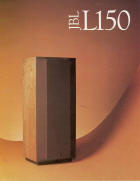
Specifications
| Type | 3-way, 3-speaker, Passive Radiator, Floor Standing |
|---|---|
| Drivers | Woofer: 12" 128H, Midrange: 5" LE5-10, Tweeter: 033 Dome, Passive Radiator: PR300 |
| Crossover Frequencies | 1 kHz, 4 kHz |
| Nominal Impedance | 8 Ω |
| Power Handling | 200W (continuous program) |
| Sensitivity | 88 dB (New JIS) |
| Dimensions | 432 x 1054 x 330 mm (W x H x D) |
| Weight | 36.4 kg |
Drivers Used
- Woofer: 128H - 12" (30cm) cone woofer with SFG ferrite magnetic circuit
- Passive Radiator: PR300 - 12" (30cm) cone passive radiator
- Midrange: LE5-10 - 5" (13cm) cone midrange
- Tweeter: 033 - 1" (2.5cm) dome tweeter with resin-impregnated linen diaphragm
Key Innovations
- Passive Radiator System: The PR300 passive radiator extended the dynamic range by improving response in the ultra-low range without the port noise of traditional bass reflex designs
- SFG Magnetic Circuit: The 128H's Symmetrical Field Geometry took advantage of ferrite's low strain rate and minimal secular change
- Faraday Loop: A high-conductivity ring attached to the pole piece reduced second harmonic distortion
- Phase Correction: Network included phase and impedance correction circuits to prevent phase disturbance between units
- Isolated Midrange: Independent sub-chamber prevented rear interference with the woofer
Variants
- L150 (1979-1980): Original version at ¥210,000 per unit
- L150 (1980): Price increased to ¥250,000
- L150A (1981): Updated version at ¥230,000 with refinements
Historical Context
The L150 was positioned as a high-performance floor-standing system for serious listeners who demanded both high output capability and refined musical detail. The passive radiator design was particularly notable - while most competitors used ported enclosures, JBL's passive radiator approach offered superior transient response and eliminated port turbulence.
The grille was available in three colors: camel, red, and brown, continuing JBL's tradition of offering aesthetic customization options. The 1.9 cm thick particle board cabinet and premium finish reflected the high-end positioning of this model.
Documentation
No specific datasheet available in archive. See JBL Loudspeaker Components 1979 Catalog for related information.